
Should you focus on activation as a growth lever?
Focusing on activation is a strategic decision that holds several compelling advantages for businesses.

As I write this text, your product team is probably busy thinking about the next sprint, and deciding which new features will be implemented to further improve your software/app. On the other hand, your marketing team is running some acquisition campaigns, testing Facebook, Google, Linkedin, and other channels to achieve an ROI that makes sense for growing the user base. But how hard are you trying to help users cross that bridge?
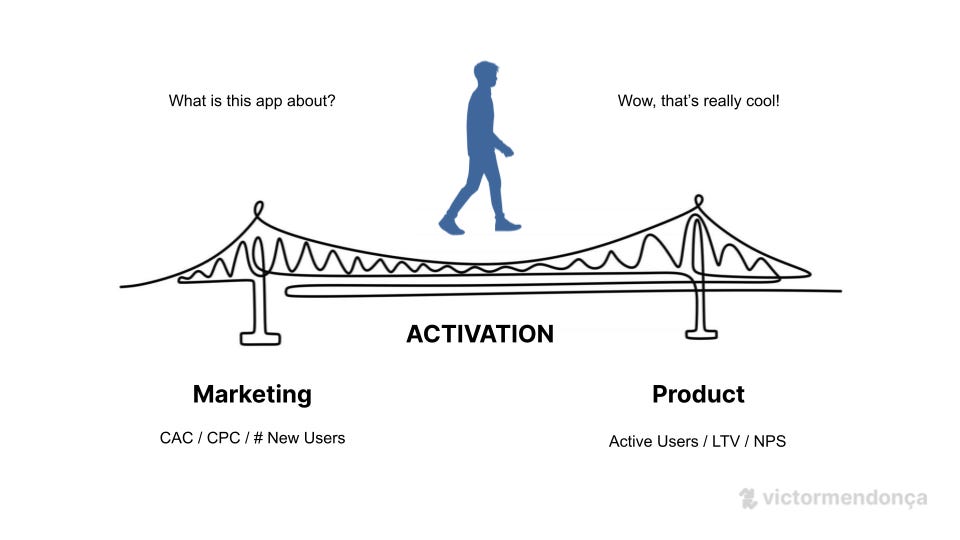
Before starting to talk about this bridge called activation, let's first define it.
Activation is the journey from the initial signup to the establishment of habitual use of your product.
While marketing is trying to bring in new users and the product team is trying to monetize users, the role of activation is to connect users to the core value proposition, ensuring that they understand what problem the product solves, how it solves, and how often.
To understand a little better, let's analyze the activation process:
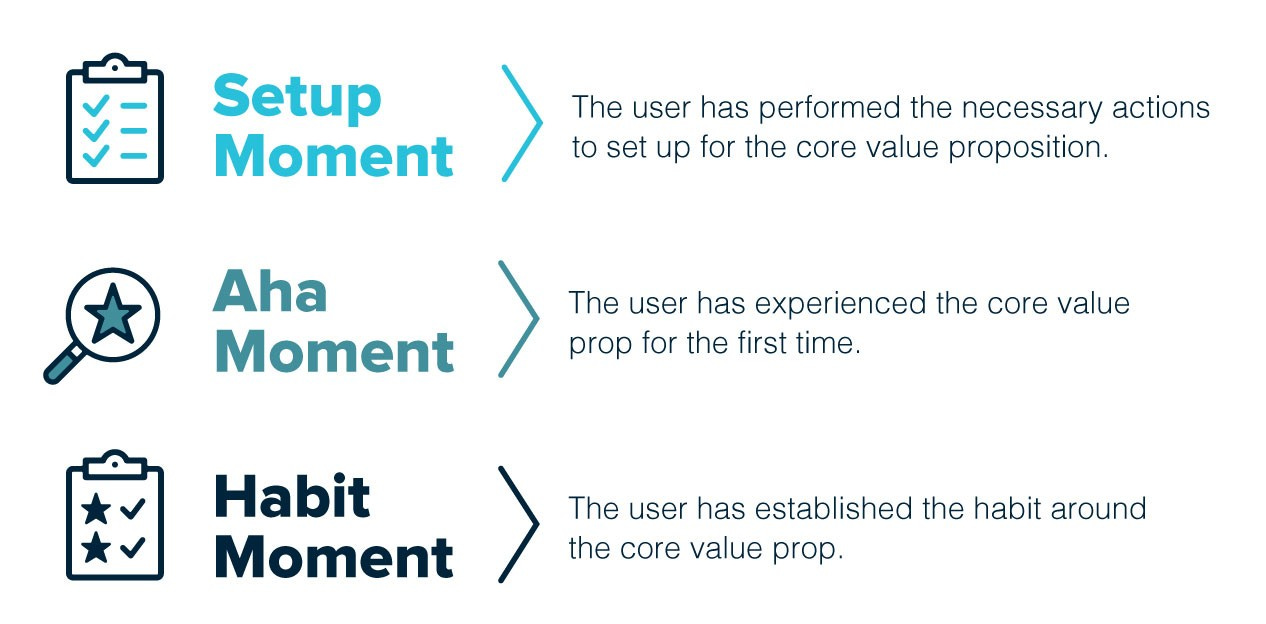
1- Setup moment:
The setup moment is about the welcome mat for new users entering your product. It's that crucial first impression where we aim to make users feel at home and excited about what's in store.
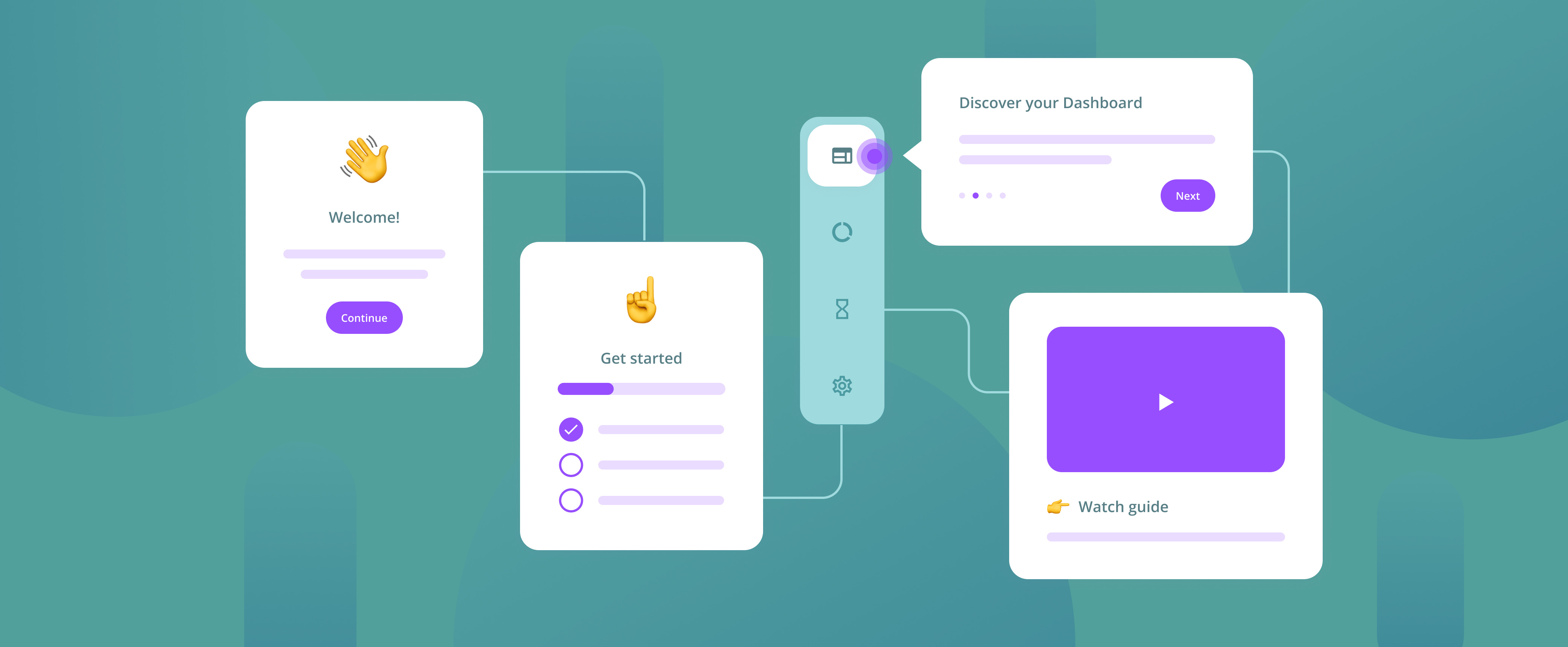
Tip: At the setup moment, you should not only think about a good onboarding process, but you also need to make sure the user takes all the necessary actions to experience the product value prop. Did they provide the necessary information or perform fundamental actions to make the product work as it should?
2- Aha moment:
The aha moment is where you captivate users and reveal the true potential of your product. It's that moment of realization where users not only understand the value but also experience the immediate benefits.
Tip: To build the aha moment, you must identify key features that deliver quick wins. Try to aim to make users say, "Aha! This is exactly what I needed." It's about creating a delightful and memorable experience that hooks users and keeps them engaged.
3- Habit moment:
Habit moment is when your product becomes a regular part of users’ routines. It's about transforming sporadic engagement into a habitual, almost instinctive, use of our product.
Tip: Try to focus on creating a seamless and rewarding user experience. It's about fostering a sense of belonging and ensuring users find value consistently.
There are 6 main reasons why you Should focus on activation
Activation is not just a step in the user journey, it's a strategic investment that propels users into a journey of lasting value and satisfaction. Prioritizing this phase is a commitment to building relationships, fostering loyalty, and ensuring that your business wins in the long run. It's not just about the first interaction, it's about laying the foundation for a sustained and mutually beneficial relationship with your users.
1- Activation boosts engagement, improving monetization:
An engaged user is not confined to a single interaction or transaction. They are more likely to interact with various aspects of your product, providing numerous touchpoints for potential monetization. Whether it's exploring advanced features, additional services, or premium upgrades, engaged users create a landscape ripe for monetization opportunities.
2- Acquisition costs are rising:
User acquisition is becoming progressively competitive and expensive. Activating existing users is often more cost-effective than continually pouring resources into acquiring new ones. By optimizing the activation process, you can maximize the value of the users you've already acquired.
3- Activation impacts 100% of your users:
Activation is a universal touchpoint that impacts every user who interacts with your product. Unlike acquisition strategies that target a specific audience, activation has the potential to influence the entire user base. This inclusivity ensures that no user is left untouched by efforts to enhance their experience.
4- The first impression is the last:
Creating a positive and smooth onboarding process is crucial. If users find it challenging to understand how to use a product, encounter technical issues, or face any barriers, it may lead to frustration and dissatisfaction. Users might form negative opinions about the product, which can be difficult to change later on.
5- Long-term relationship building:
Activating users is not just about the immediate impact, it's about fostering long-term relationships. Activated users are more likely to become advocates for your brand, spreading positive word-of-mouth and contributing to organic growth.
6- Boosting other levers:
The valuable insights gained from activation data aren't confined to improving the onboarding process alone. Businesses can leverage this information to inform improvements in other growth levers such as acquisition, retention, and monetization. For example, understanding the features that resonate with users during activation can guide marketing strategies to highlight those features in acquisition campaigns.
What You Should NOT Do:
1- Don’t treat activation as a mere complement:
Many people see activation as an add-on or a later step in the user journey, neglecting its fundamental role. Activation is the core of the product experience. Treating it as a complement rather than a foundational element can lead users to frustration and they might never come back.
2- Avoid the "now or never" mentality:
While activation is crucial, forcing users to complete all activation steps immediately can be counterproductive. Users need time to familiarize themselves with the product and adopt it at their own pace. Forcing actions too soon may lead to resistance or disengagement.
3- Don’t confuse activation steps:
Activation is a process, not a one-time event. Confusing individual actions with the broader activation process can result in overlooking the steps necessary to establish a user's usage habit. It's essential to guide users systematically through the activation journey.
A well-crafted activation process has a ripple effect on key performance indicators. It's the catalyst that not only drives sustained engagement but also creates multiple touchpoints for monetization. By focusing on inspiring activation, businesses elevate the entire user journey, amplifying acquisition efforts and fostering a community of loyal users who organically become brand advocates.